 Reviews


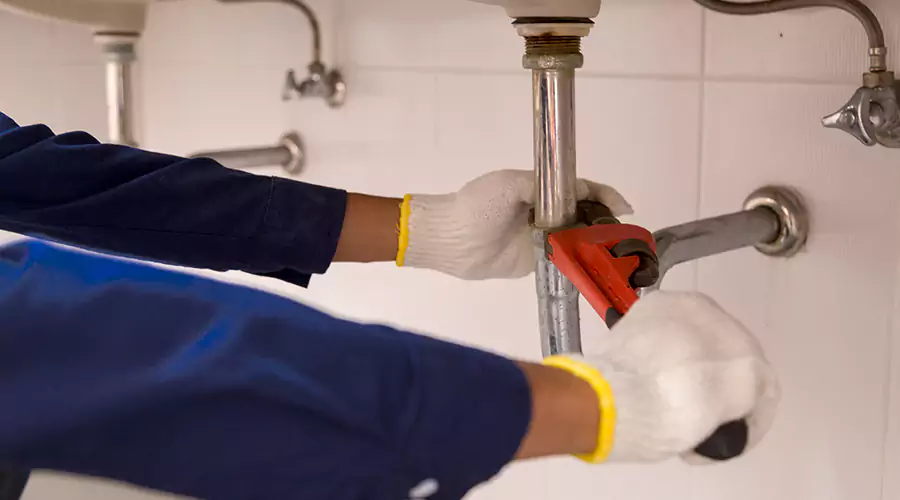
Most homeowners only think about plumbing when something breaks. That is understandable, but it is also how small issues become expensive emergencies. The truth is that plumbing systems benefit from routine service just like heating and cooling equipment. A simple schedule helps you prevent leaks, reduce clogs, extend the life of appliances, and avoid surprise water damage.
So how often should you service your plumbing system? The best answer depends on your home's age, water quality, and usage, but most homes can follow a clear baseline plan. This guide breaks down a practical service timeline, what to check at each interval, and when to call a licensed plumber for Plumbing Repair to ensure your system stays efficient and problem-free.
What Plumbing Service Actually Means?
Plumbing service is not always a major repair. It often includes:
- Checking for leaks and early corrosion
- Testing water pressure and shut-off valves
- Inspecting drains for buildup and slow flow
- Evaluating water heater performance and safety components
- Confirming appliance supply lines are secure and not deteriorating
- Identifying risks before they become failures
A good maintenance plan combines quick homeowner checks with periodic professional inspections.
The Ideal Plumbing Service Schedule
Monthly: Quick home checks you can do in 10 minutes
These small checks catch common problems early.
1) Look under sinks
- Feel around shut-off valves and supply lines for moisture
- Check the cabinet base for swelling or stains
- Confirm the P-trap is dry and not corroded
2) Listen to toilets
- Running or refilling noises can indicate silent leaks
- If you hear hissing, plan a dye test soon
3) Scan for visible warning signs
- Water stains on ceilings or near baseboards
- Musty odors in bathrooms or laundry rooms
- Damp areas around the water heater
Every 3 months: Targeted maintenance tasks
This is the sweet spot for preventing clogs and catching wear.
Clean drain strainers and stoppers
Hair and food buildup is a major cause of slow drains.
Test a few shut-off valves
Gently turn fixture shut-offs under sinks and behind toilets to confirm they move. Do not force stuck valves.
Inspect appliance hoses
- Washing machine hoses: look for bulges, cracks, or rust at fittings
- Dishwasher and ice maker lines: look for dampness and kinks
If you have rubber washing machine hoses, consider upgrading to braided stainless steel.
Every 6 months: Seasonal plumbing review
Season changes stress plumbing in different ways. Twice per year, do a deeper review.
Kitchen and bathroom fixtures
- Remove and rinse faucet aerators
- Check showerheads for mineral buildup
- Confirm drains clear quickly
Outdoor plumbing and irrigation
- Inspect outdoor faucets for drips
- Look for soggy spots in the yard that may indicate an irrigation leak
- Verify hoses and connectors seal properly
Water pressure check
If you have a pressure gauge, test pressure at an outdoor spigot.
- Many homes are comfortable around 40 to 60 psi
- Pressure consistently above 80 psi can increase the risk of leaks and hose failures
Yearly: Professional plumbing inspection
For most households, an annual professional inspection is the right cadence.
A licensed plumber can:
- Test water pressure and inspect the pressure reducing valve
- Check main and fixture shut-offs for safety and usability
- Look for hidden leak indicators and early corrosion
- Evaluate drain performance and recommend cleaning if needed
- Inspect water heater safety components
- Identify code and venting issues that can cause odors and slow drainage
Annual inspections are especially valuable for older homes, homes with hard water, and households with high usage.
Every 1 to 2 years: Professional drain and sewer line evaluation
If you experience frequent clogs, gurgling drains, or slow drainage in multiple fixtures, consider periodic professional drain cleaning. Homes with mature trees near sewer lines may benefit from occasional camera inspections. This does not mean every home needs yearly sewer camera work. The point is to address patterns before a backup occurs.
Every 2 to 3 years: Water heater deeper service
Beyond basic visual checks, a plumber can inspect:
- The anode rod (helps prevent tank corrosion)
- The temperature and pressure relief valve
- Sediment buildup and flushing needs
If you have a tankless water heater, descaling frequency may be yearly depending on water hardness.
Factors That Change How Often You Need Service
1) The age of your home
Older homes often have aging shut-off valves, older pipe materials, and more worn fixtures. They usually benefit from more frequent professional inspection.
2) Water quality
Hard water increases mineral buildup in aerators, showerheads, water heaters, and some valves. If you see scale on fixtures, your plumbing may need more frequent maintenance.
3) Household size and usage
More people means more showers, more laundry, and more strain on drains and fixtures. High usage households should be proactive.
4) Past plumbing issues
If you have had recurring clogs, a prior leak, or water heater problems, schedule follow-up service sooner rather than later.
A Simple Homeowner Checklist
Use this quick checklist to stay on track.
Monthly
- Check under sinks for moisture
- Listen for running toilets
- Look for stains or musty odors
Quarterly
- Clean drain strainers
- Inspect appliance hoses
- Test fixture shut-offs gently
Twice per year
- Clean aerators and showerheads
- Inspect outdoor faucets and irrigation
- Check water pressure if you have a gauge
Yearly
- Schedule a professional plumbing inspection
- Consider drain cleaning if you notice slow drains or clogs
When to Call a Licensed Plumber?
Safety box: Call a licensed plumber if you have water backing up in multiple fixtures, sewage smells, a water meter that moves when all water is off, leaks in walls or ceilings, or any water heater leak or gas odor. These issues can involve main lines, hidden leaks, and safety hazards.
Final Thoughts
Plumbing service should be routine, not reactive. A simple monthly check, a seasonal review, and an annual professional inspection will prevent most surprise plumbing problems. If your home is older, your water is hard, or your household has high usage, schedule service more often.
Want a professional to inspect your system and create a maintenance plan for your home? Contact a licensed plumbing company to schedule a full plumbing checkup and get ahead of repairs before they become emergencies.
Frequently Asked Questions
Is plumbing maintenance really worth it?
Yes. Preventing one major leak or sewer backup can save far more than the cost of routine service. Maintenance also extends the life of fixtures and appliances.
How do I know if my water heater needs service?
Warning signs include rumbling noises, discolored hot water, hot water that runs out quickly, and moisture around the base. A plumber can confirm whether it needs repair or replacement.
Should I have my drains cleaned every year?
Not always. If your drains are slow, clog often, or smell bad, professional cleaning can help. If you rarely have issues, focus on prevention and schedule cleaning when symptoms appear.
What is the easiest leak to miss?
A silent toilet leak. It can waste a large amount of water without obvious dripping. Use a dye test in the toilet tank if you suspect it.
Can high water pressure damage plumbing?
Yes. Pressure that is too high can stress hoses, valves, and fixtures. It can also increase the likelihood of leaks. A plumber can test and correct it with a pressure reducing valve if needed.